Section 8 · Techniques
The Mother Systems
These are not recipes. They are the technical foundations of Black American cuisine, the systems from which the dishes descend.
 Chapter 01
The first technique
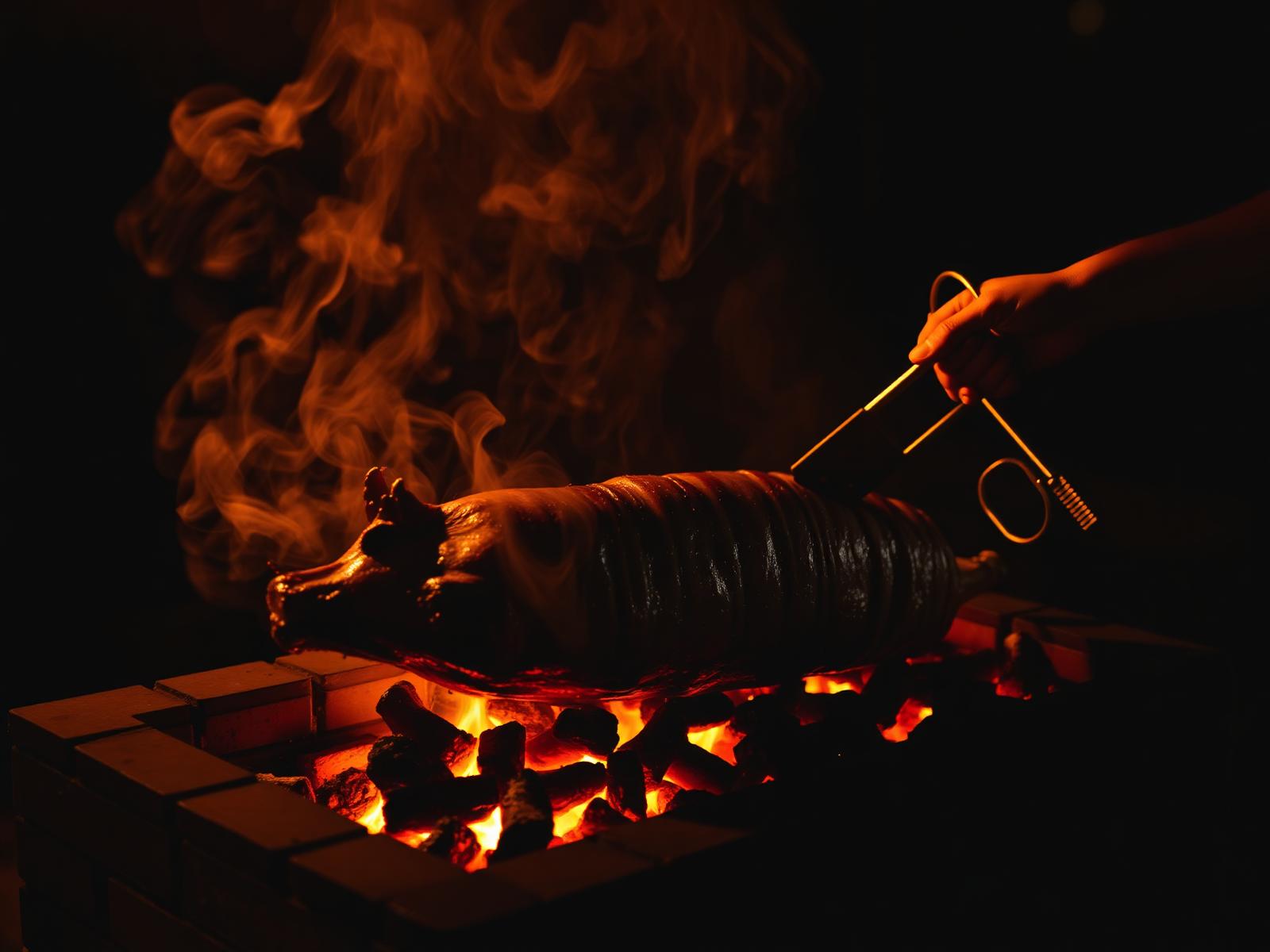
Smoke & Fire
Smoke is the oldest technique in this canon, and it is the one that ties every region together. Before there were stoves, there was a pit in the ground, hardwood cut and burned down to coals, and meat laid over it low and slow until time did what heat alone could not.
Open chapter →Cast iron, hot fat, and the gospel of crust
Frying
Frying in this tradition is not the act of cooking food in hot fat. It is a discipline. There is a temperature, a fat, a coating, a vessel, and a sequence, and when those four agree, you get something that no other technique on earth produces: the catfish with a crust that shatters and a flesh that steams, the chicken with a mahogany skin and a thigh still wet at the bone, the okra that crisps without going slick, the hush puppy that opens like bread.
Open chapter →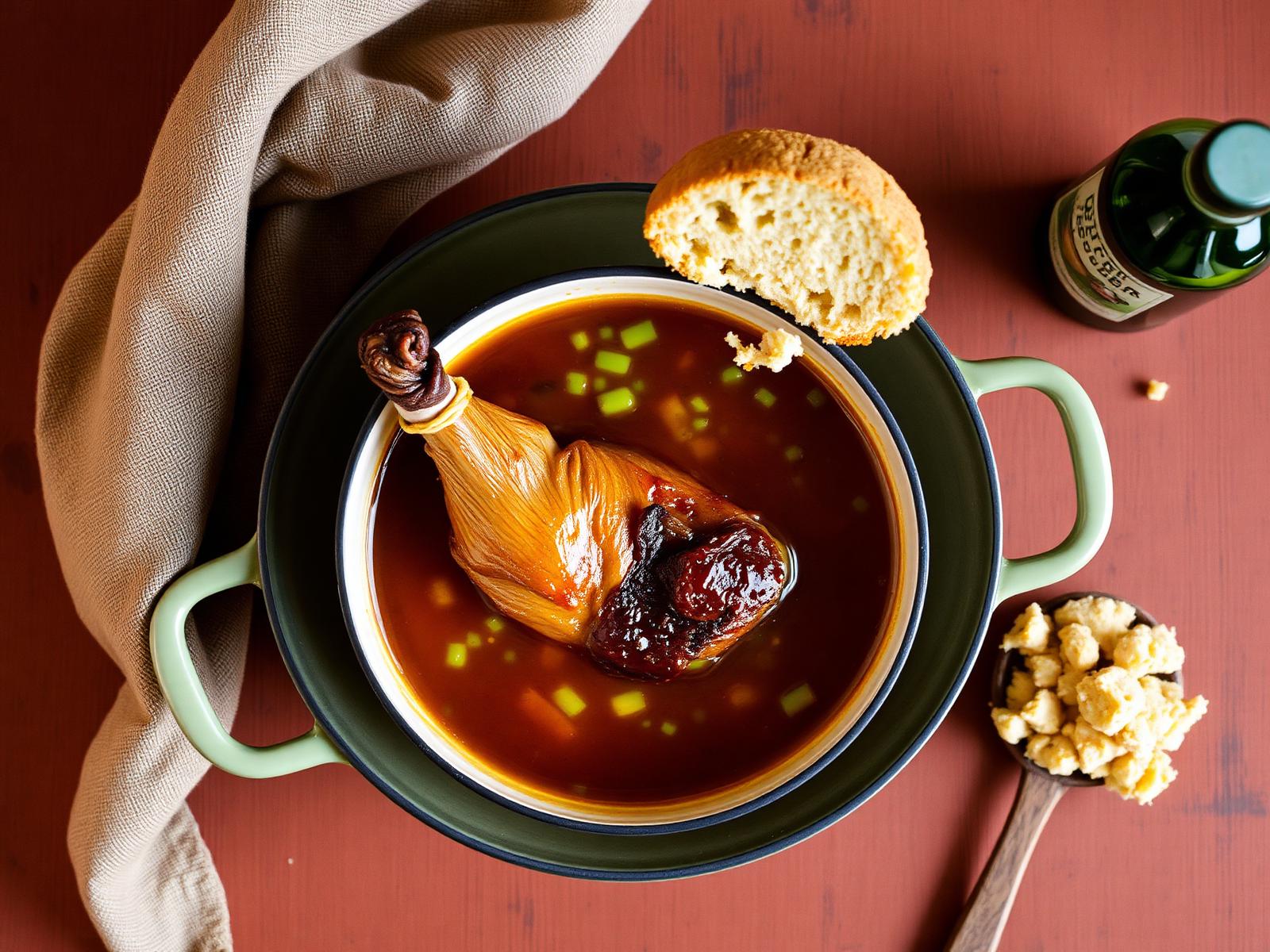 Chapter 03
Our stock system
Pot Likker & Braising Liquid as Broth
If French cuisine is built on veal stock, Black American cuisine is built on pot likker. The liquid left at the bottom of a pot of long-cooked greens, beans, or field peas, stained deep green or brown, carrying smoke, salt, acid, and hours, is not a byproduct. It is a foundation.
Open chapter →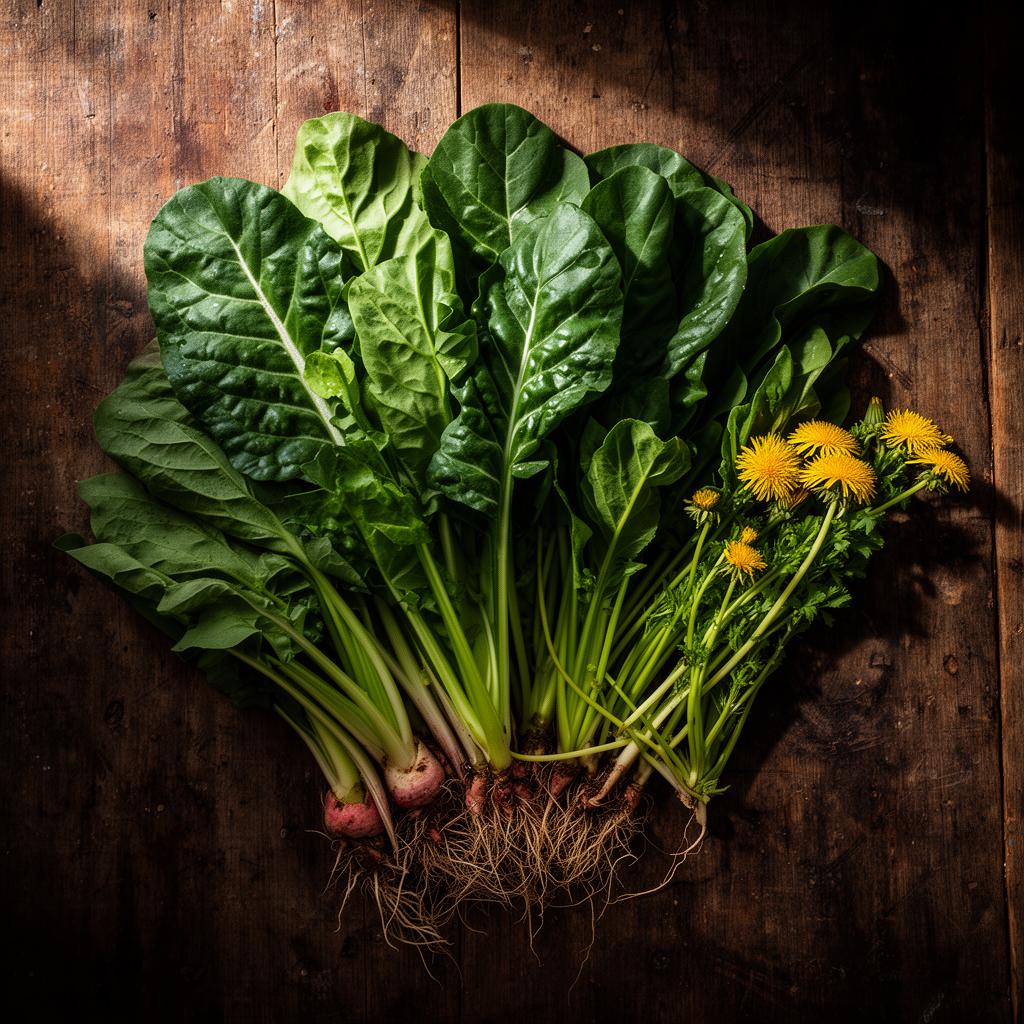 Chapter 04
The pot before the leaf
Field Greens & The Long Braise
Cooking greens in Black American cuisine is not a simple preparation. It is a distinct technical practice — the long, low braise of a sturdy leaf in a seasoned, smoked liquid until the green surrenders without losing itself. The greens make the pot likker; the pot likker makes the greens. The two chapters belong together because the technique is one technique told from two angles.
Open chapter →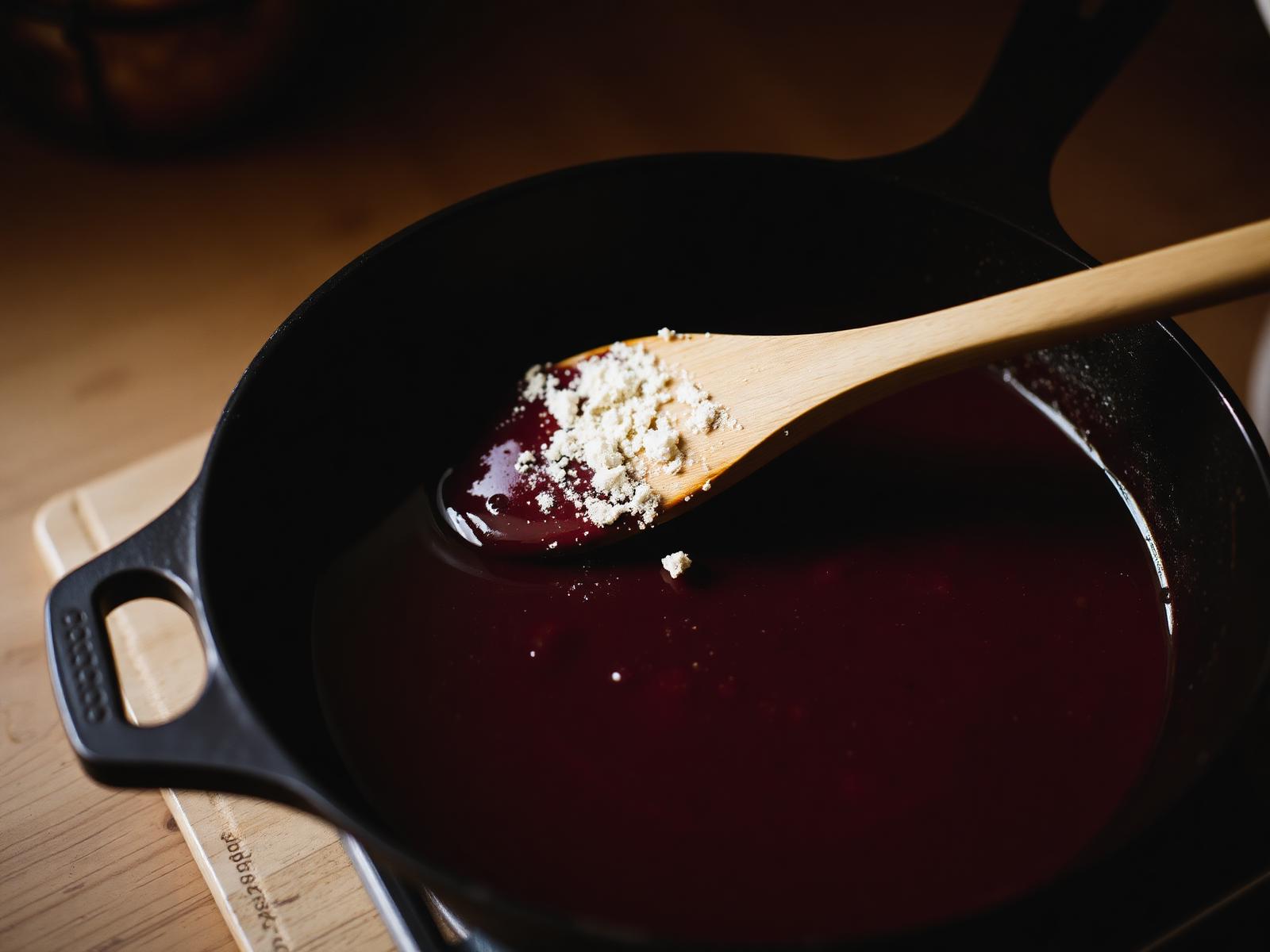 Chapter 05
Cast iron and patience
The Roux
The word roux came through French culinary exchange, and the blond ratio came with it. But Black Louisiana cooks took the roux somewhere French cuisine rarely goes — to the color of mahogany, the color of dark chocolate, the color of a copper penny left in the sun. The dark roux is not a French technique applied in Louisiana. It is a distinct Black American technical innovation, built by cooks who understood that cooking flour and fat past the French stopping point produced something French cuisine had no name for: a flavor base, not a thickener, carrying a depth and a nuttiness that changes the entire character of a dish.
Open chapter →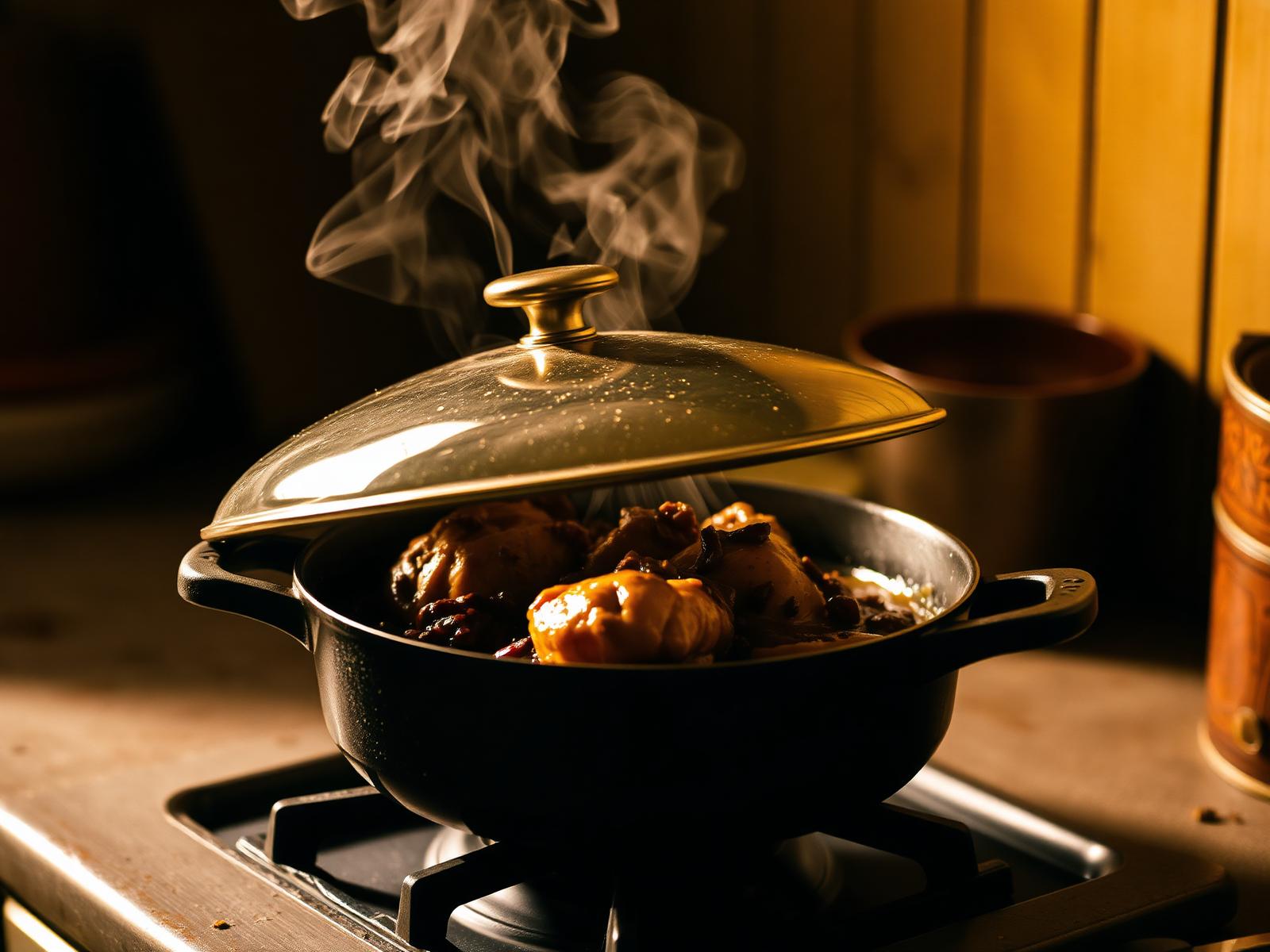 Chapter 06
Until everything surrenders
Smothering
Smothering is what happens when you stop thinking of a sauce as something you add and start thinking of it as something the ingredients themselves become. You layer aromatics in fat, lay the protein on top, close the lid, turn the heat low, and walk away. When you come back, everything is one thing.
Open chapter →A complete system in a single vessel
The One-Pot Meal
The one-pot meal is not a shortcut. It is a complete culinary philosophy. The practice of building a full nutritional system, a full flavor system, and a full meal inside a single vessel — protein, starch, vegetable, fat, acid, aromatic, and broth all cooked together so that nothing is wasted and everything seasons everything else.
Open chapter →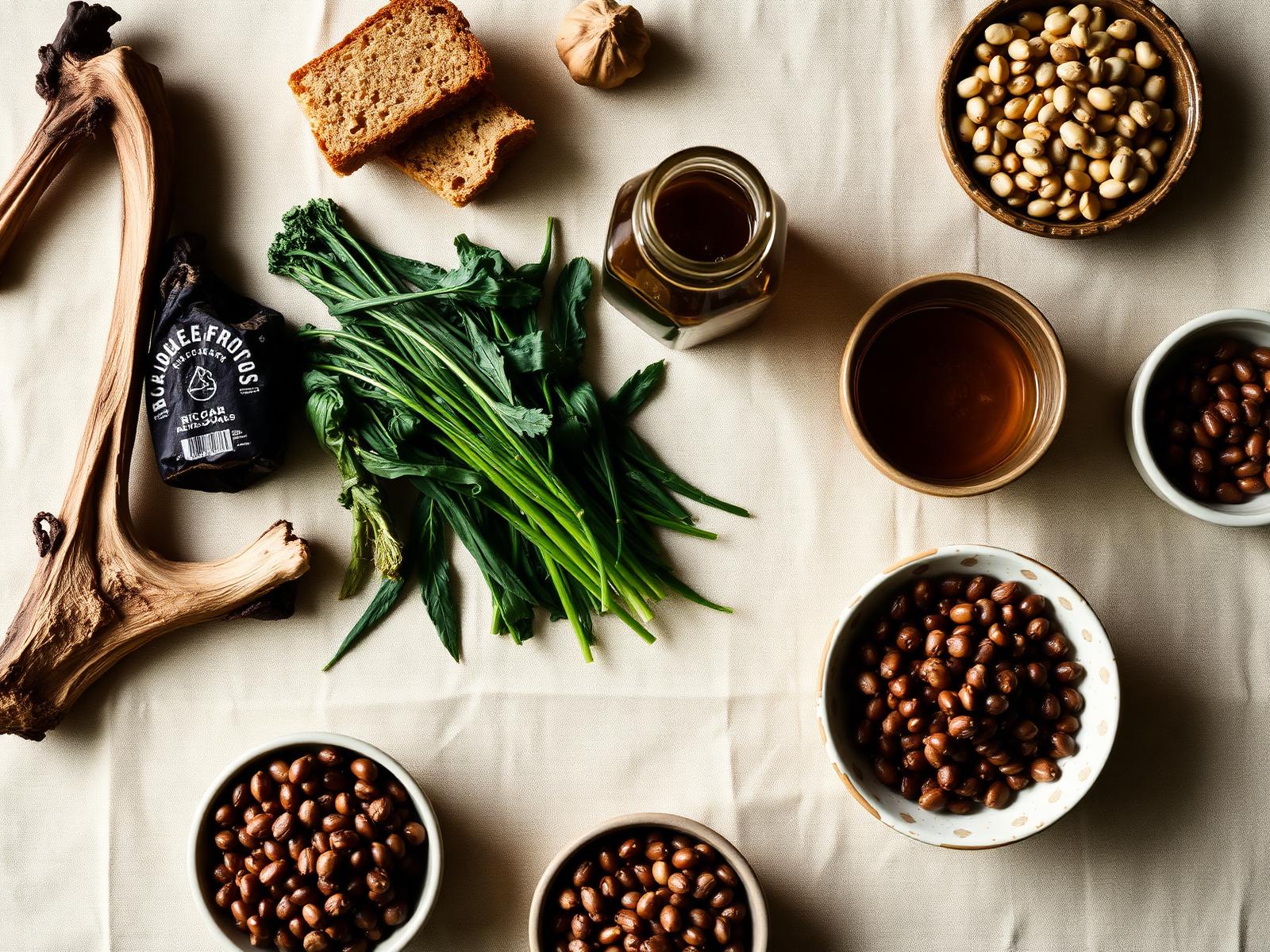 Chapter 14
Carver's model
Resourcefulness & Yield Thinking
Every part of the animal. Every scrap of the vegetable. Every stale end of bread. This is not scarcity thinking. It is sophistication. It is a philosophy of the kitchen as a closed system where nothing leaves without first becoming something.
Open chapter →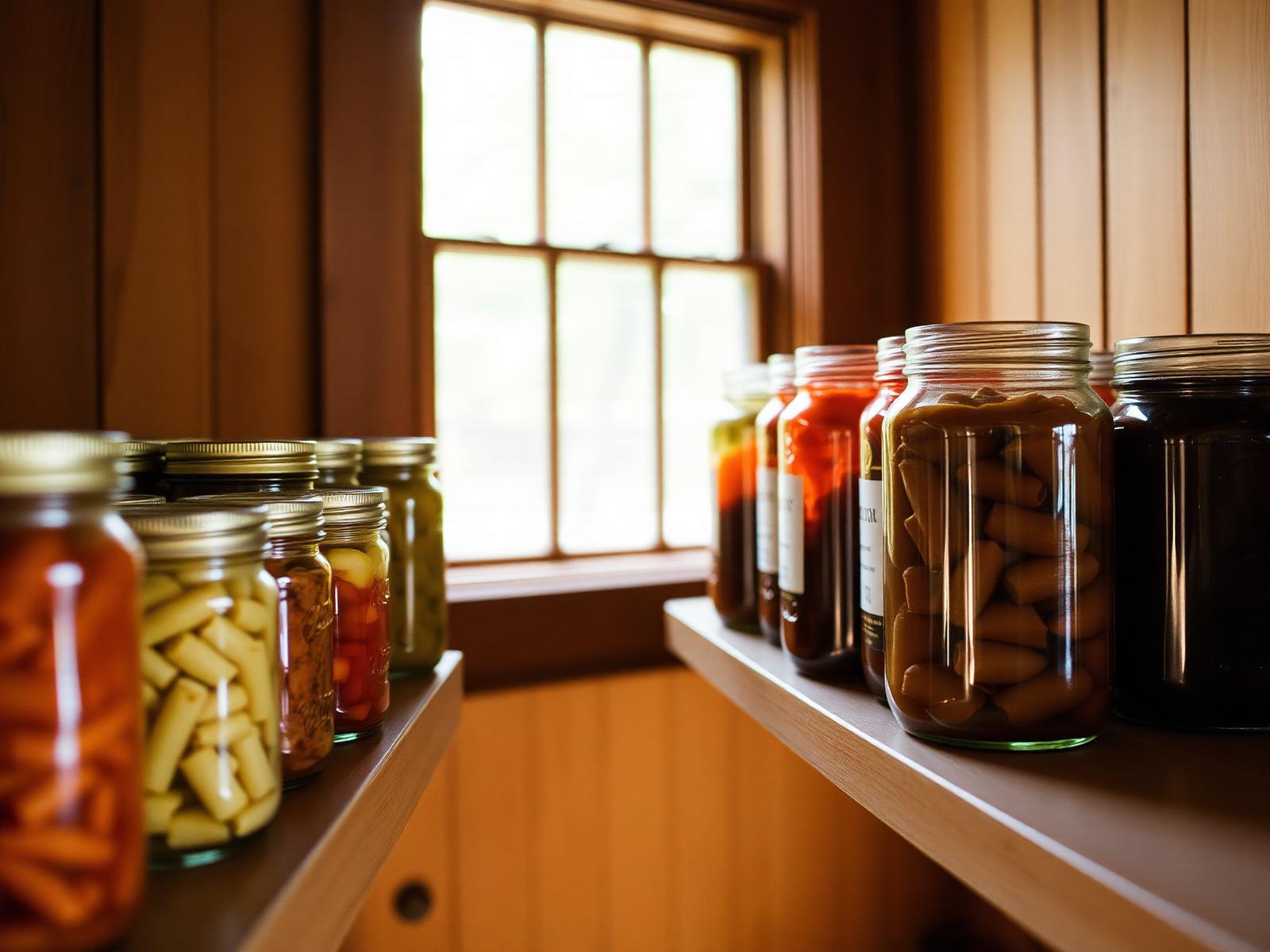 Chapter 08
Necessity becomes philosophy
Fermentation & Preservation
Before refrigeration, preservation was survival. Pickling, curing, fermenting, drying, smoking, the Black Southern pantry was built on techniques that extended the life of a harvest and, in doing so, built flavor.
Open chapter →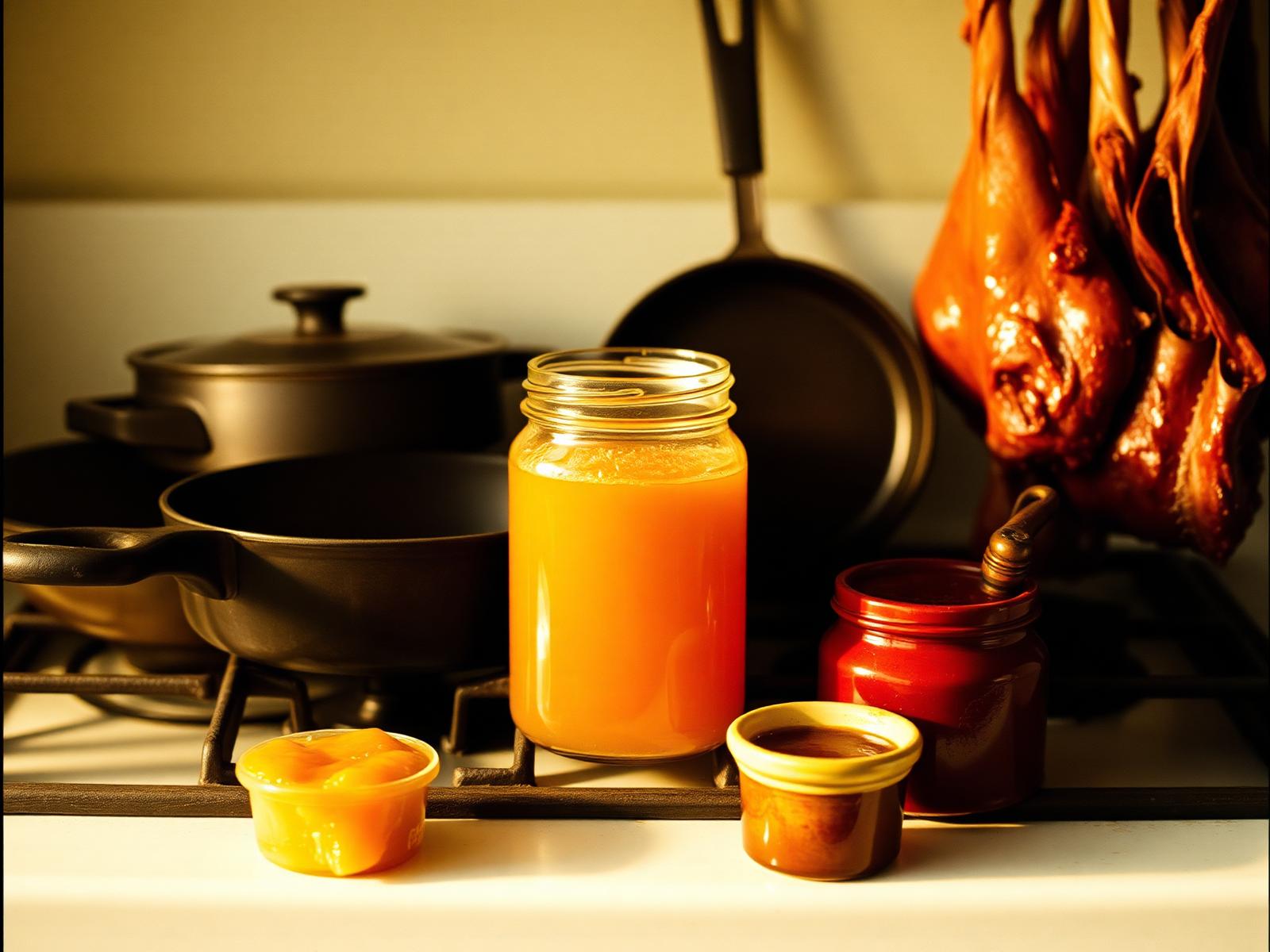 Chapter 09
The fat carries the history
Fat as Flavor Vehicle
Lard. Bacon grease. Smoked turkey drippings. Neck-bone fat. Oxtail fat. In this tradition, rendered fat, especially smoked rendered fat, is not a cooking medium. It is an ingredient. It carries the smoke, the salt, and the memory of the animal.
Open chapter →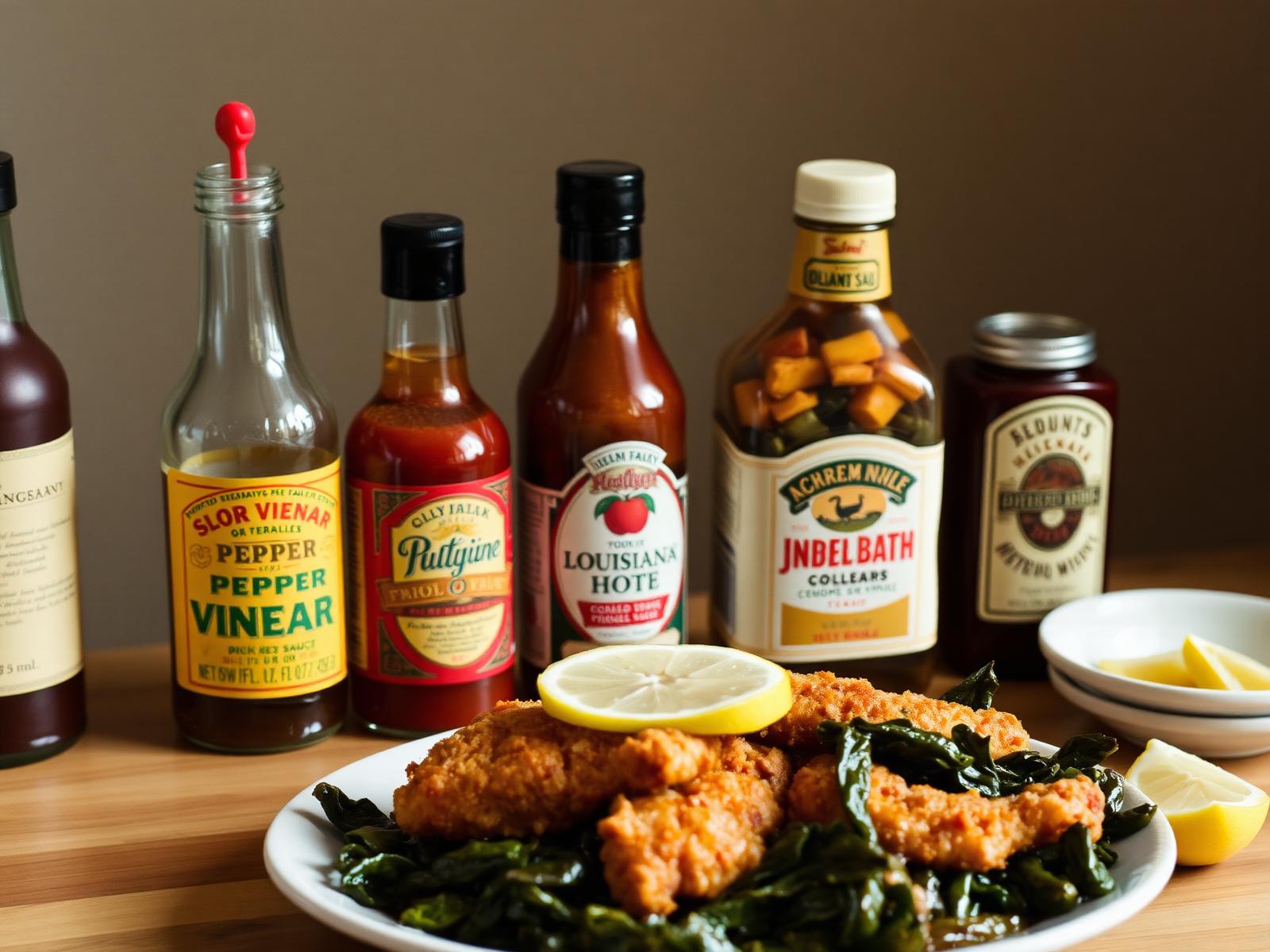 Chapter 10
The balancing system
Acid & Heat
Pepper vinegar on greens. Hot sauce on everything. A squeeze of lemon on catfish. Pickled onions on a plate of beans. In Black American cooking, acid and heat work as a paired system. They cut richness, brighten depth, and wake up a long-braised dish.
Open chapter →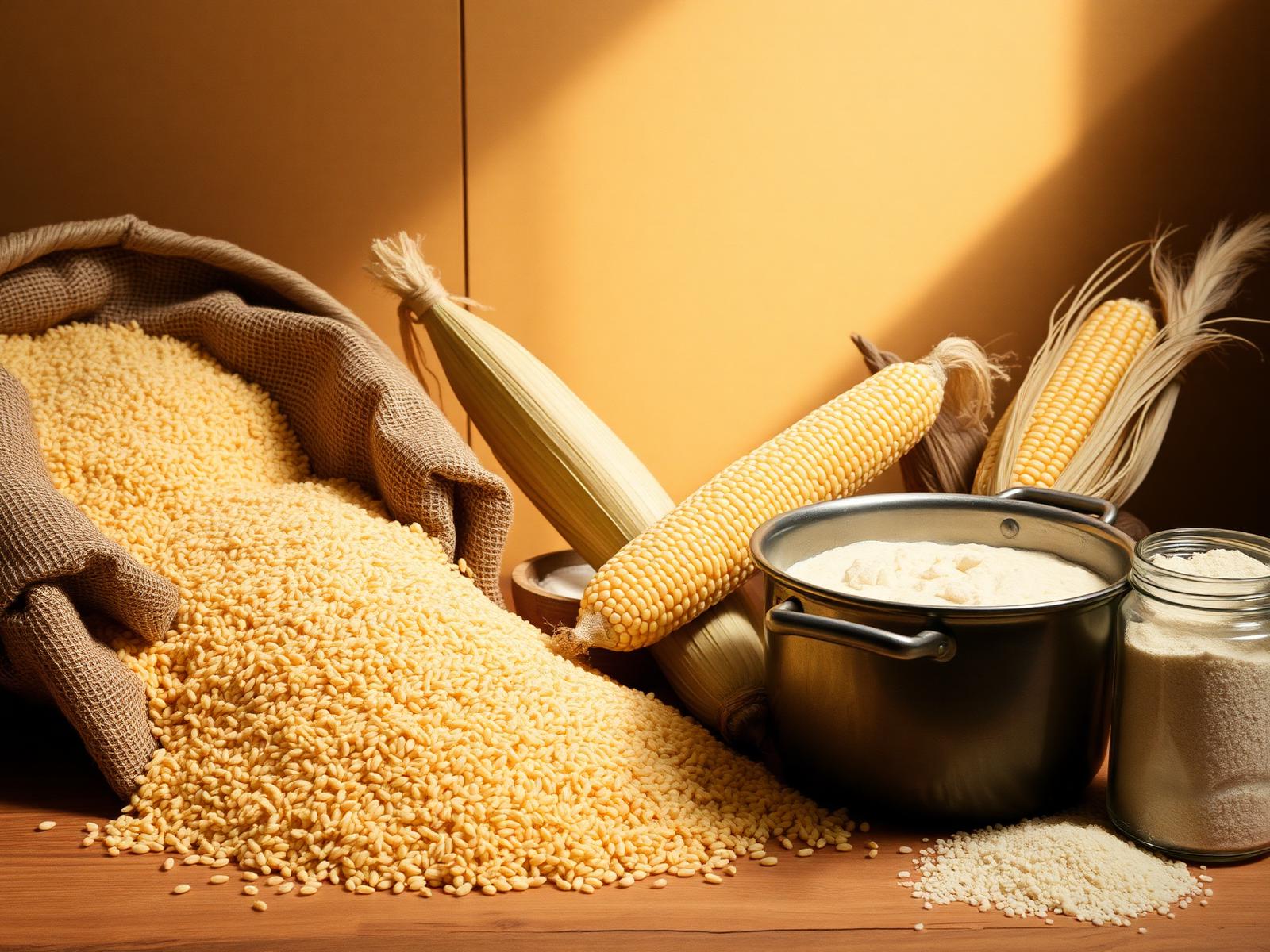 Chapter 11
The carbohydrate canon
Grains: Rice, Cornmeal, Grits
Grains are not a side. In this tradition, grains are the center of the plate, and the cook's relationship to them is the cook's relationship to the whole meal. African rice on the Carolina coast, Indigenous corn turned to grits and cornbread across the South, sorghum and millet traces that still live in the pantry. This is a full chapter, not an accompaniment.
Open chapter →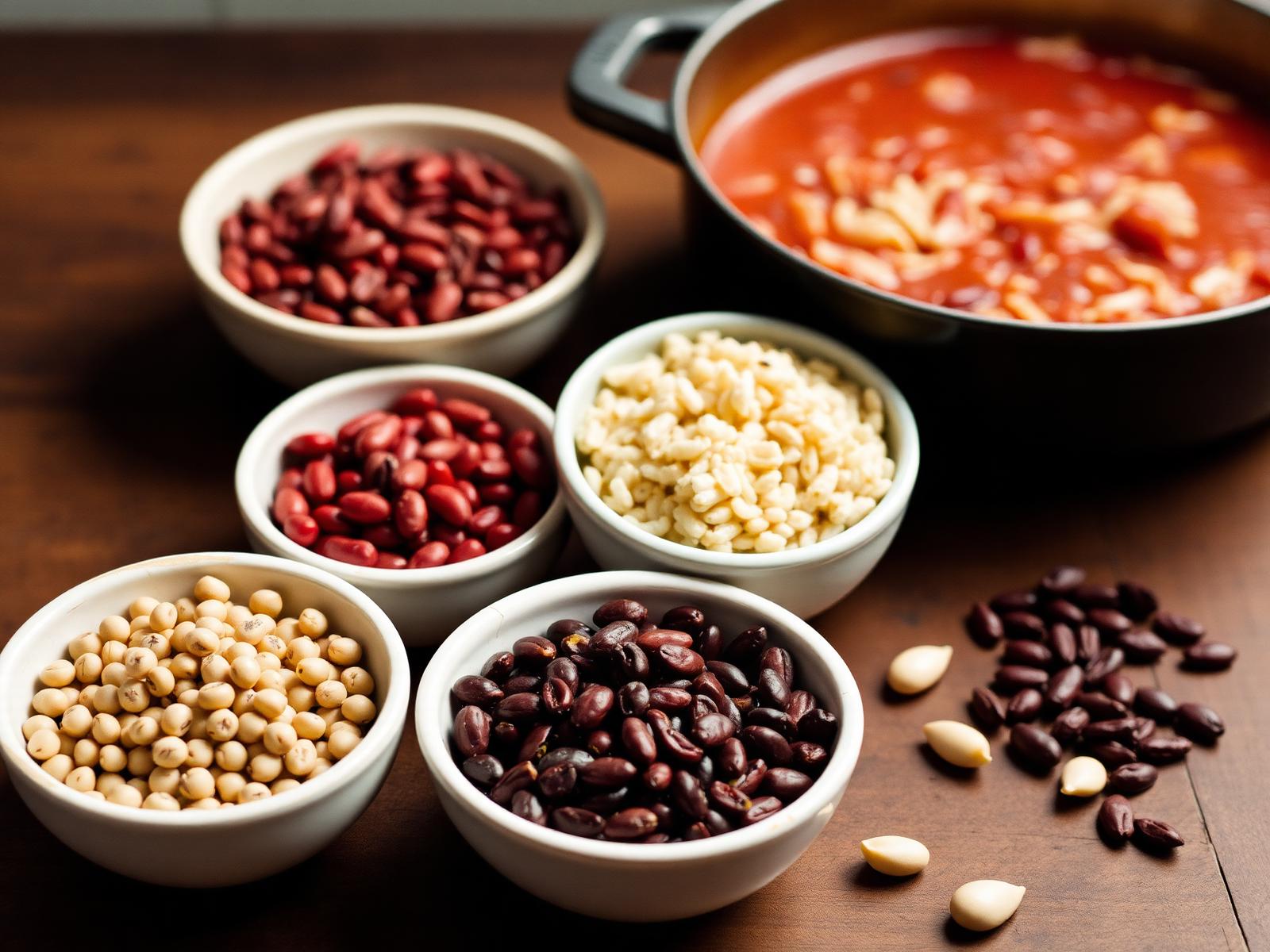 Chapter 12
The protein chapter
Legumes: Field Peas, Beans, Black-Eyes
Red beans on Monday. Black-eyed peas on New Year's. Field peas with snaps in July. Butter beans slow-cooked Sunday. Legumes are the protein backbone of Black American cooking, cheaper than meat, deeper in flavor the longer they cook, and carrying the smoked seasoning meat and pot likker forward in every serving.
Open chapter →The pastry tradition that built the household
Sugar & The Sweet Hand
Black American baking is its own technical tradition, not a sweet appendix to a savory canon. It was built in the plantation kitchen, where Black women were the pastry cooks, the bread bakers, and the preserve-makers for the entire household, and where they also developed a parallel sweet tradition for their own families and communities. The pound cake, the sweet potato pie, the bread pudding, the tea cake, the praline, the caramel cake, the lemon icebox pie, the peach cobbler. These are not recipes that happen to be Black. They are a school of baking with its own logic.
Open chapter →